
WHAT WE DO
Workplace Mediation
Structured, impartial support to help individuals and teams resolve conflict, rebuild trust, and restore productive working relationships.
What it is.
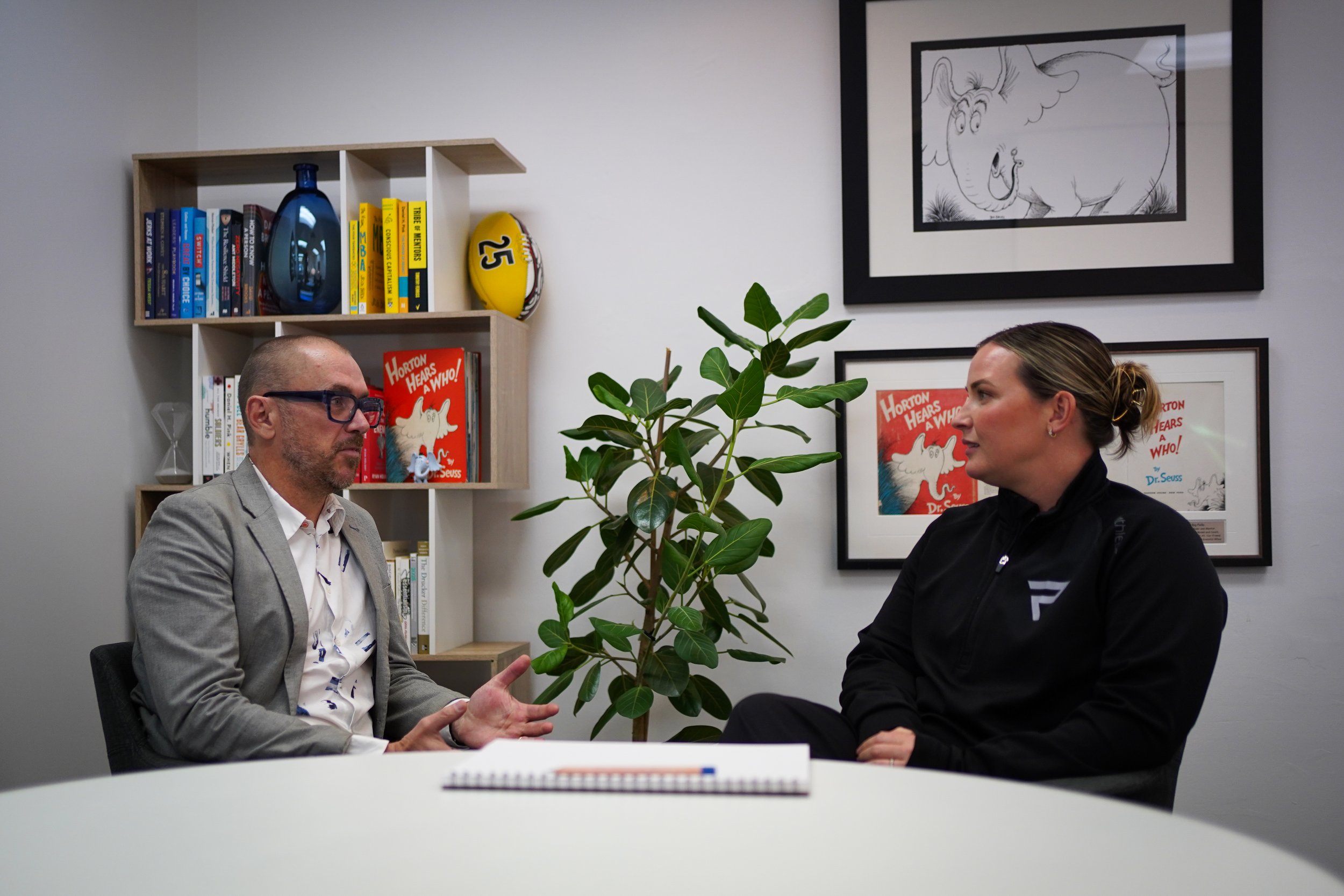
Workplace mediation is a confidential, voluntary process where a skilled, neutral mediator helps people in conflict work through their differences and reach a resolution they both own.
Unlike a formal investigation or disciplinary process, mediation focuses on the future. What needs to change, how communication can improve, and what both parties need to move forward constructively. It is one of the most effective tools available for resolving workplace conflict before it becomes something much harder to undo.
Mediation is not only for two people in dispute. ClearStory also works with groups, executive teams, and boards where conflict has become collective, where the dynamic has shifted from a disagreement between individuals to something shaping how the whole team functions. The more complex the conflict, the more important it is to have someone who can hold the whole space without losing anyone in it.
A ClearStory clarity tool
What is this conflict really costing you?
Workplace conflict is expensive in ways that rarely show up on a balance sheet: lost hours, quiet stress, good people edging towards the door. It is also a recognised workplace psychosocial hazard, one Australian employers now have a duty to manage. In two minutes, using real Australian research, let's put an honest number on it. No names, nothing saved, no obligation.
Who it’s for.
Workplace mediation works best when:
Two or more employees are in ongoing conflict that is affecting their work or wellbeing.
A manager and team member have broken down in communication.
A team has fractured following a significant change, incident, or leadership transition.
HR or senior leadership need a neutral third party before a situation escalates further.
It is particularly effective when the relationship matters and both parties are willing to engage, even if that willingness is tentative at first.
How it works.
Initial consultation
Travis meets individually with each party to understand the situation, explain the process, and assess whether mediation is appropriate.
Preparation
Each participant has the opportunity to reflect on what they need from the process and what a good outcome looks like for them.
Joint session
Travis facilitates a structured conversation between both parties, creating a safe, focused environment for honest dialogue and genuine problem-solving.
Agreement
Where appropriate, parties agree on practical steps forward. A written summary can be prepared if required.
Follow-up
Travis checks in with participants after the process to support implementation and address anything that comes up along the way.
What you walk away with.

A clear, agreed path forward that both parties own
Restored or improved working relationships
Practical communication strategies for moving forward
Reduced risk of formal grievance or escalation
Confidence that the situation has been handled with care and professionalism
Not sure if mediation is right for your situation?
Travis offers a no-obligation initial conversation to help you understand your options and what kind of support would be most appropriate.
Book a free consultation
Related services.

Workplace Mediation
Structured, impartial support to help individuals and teams resolve conflict, rebuild trust, and restore productive working relationships.

Conflict Coaching
Practical, one-on-one support for navigating difficult relationships, high-stakes conversations, and the conflict that keeps finding its way back to your desk.

Leadership Development
Sustained, honest work to help senior and emerging leaders see themselves more clearly and lead with greater range, intention, and impact.

Process Advisory
Observation and advisory support for executive teams and boards navigating the relational and emotional dynamics beneath strategic decisions.